
How soon to get treated, am I too old to get treated (delay): Dangers of not getting it treated
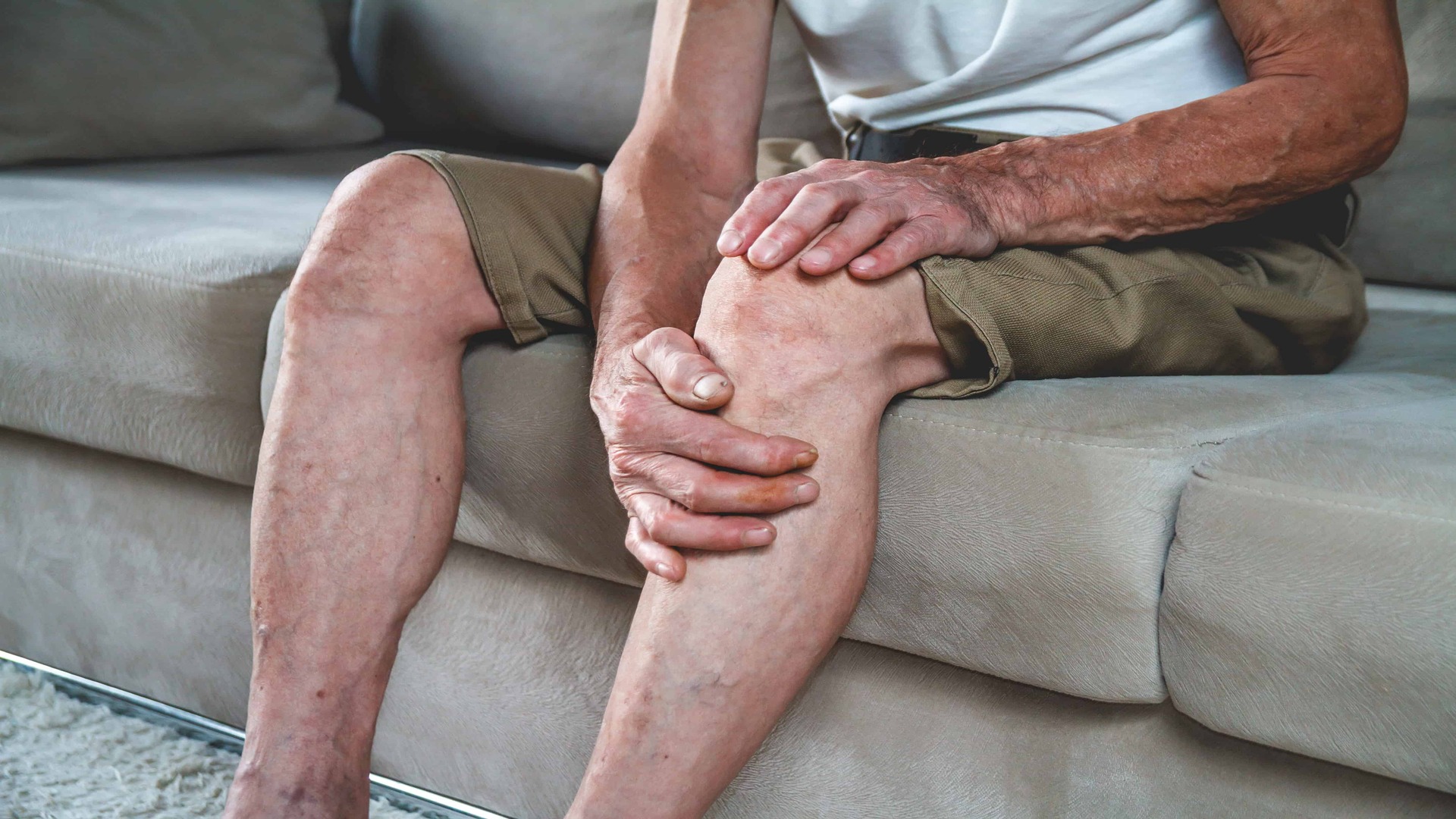
This blog is especially for all our senior audience’s and to help them solve every other doubts and queries they might be having about Varicose Veins!
So, If you are thinking that age factor is an important reason for developing Varicose Veins then yes it is! But at the same time it is also a myth that ONLY the elderly suffer from varicose veins. As we age, our veins and valves age as well, causing them to weaken, which can then after lead to Varicose Veins.
However, even a young woman in her twenties can have varicose veins. Varicose enlarged veins are more common in certain groups of people, and age is only one factor. Other groups of people who can develop varicose veins are pregnant women, people who are overweight or obese, and people who stand or sit for long periods of time without moving around much. [1]
But talking about aging and varicose veins, yes, varicose veins are quite common for people in their 40s, and the chances of developing them only increase as you get older (50s, 60s, etc.). However, this dynamic group of people, many of whom are juggling the demands of full-time jobs and the needs of their children and parents, will often forgo treatment to care for others. [2]
For example, did you know that men in their 60s have a 42 percent chance of having varicose veins or another form of venous insufficiency? And for women, the figure is even higher – around 70%. So if you’re in your 60s and female, there’s almost a 3 in 4 chance that you have or will develop varicose veins! [3]
The pro is that if someone is from this age group, then they have more time to exercise as they enter their retirement phase. Even taking a daily walk can help prevent the formation of varicose veins.
Although, the con is that the longer you have untreated varicose veins, the more likely you will develop a venous ulcer. Scaling is the first sign of a venous ulcer, followed by brownish or yellowish patches and, finally, leg wounds on the lower leg or ankle. The ulcer is frequently accompanied by swelling.
Now comes the main question, do you need to do something for your varicose and are you too old to treat your Varicose Veins problem?
There is no age limit to varicose vein treatment! While age may be a defining factor for other medical procedures, this isn’t the case with varicose veins. Even healthy women in their 60s can have their veins treated. Thanks to advanced non-surgical treatments, patients of any age and health can benefit from this procedure.
If you’re over the age of 60 and suffer from varicose veins, you’re not alone. It’s estimated that 65% of adults have at least one leg symptom related to this condition. However, there are fortunately things one can do to ease their symptoms, regardless of their age. [4]
If you’re wondering when the best time to start treatment for varicose veins is, the answer is RIGHT NOW!
It’s never a good idea to put off treatment because you think you’re too old or that there’s an age limit for having varicose veins treated. So if you’re in pain, don’t wait – start treatment right away.
For many people, the appearance of bulging and discolored veins is an enough reason to seek out treatment. However, there are also some important health risks associated with ignoring varicose veins.If symptomatic varicose veins are left untreated, it can result in further problems throughout the body. [5]
Swelling –
Untreated venous disease can often cause symptoms like varicose veins, swelling in the affected limb, heaviness in the leg, poor skin quality, uneven limb size, increased blood pressure, pain and significant discomfort. If you’re experiencing any of these symptoms, it’s important to seek out treatment to prevent the condition from getting worse.
Overall skin quality –
Prolonged swelling can cause the skin to change significantly over time. The swollen tissue, caused by varicose veins, can restrict the flow of oxygen and nutrients needed for the normal healing process. This makes it harder for the surrounding skin to heal from minor injuries.
Skin Ulcers –
The constant swelling of varicose veins can eventually lead to the deterioration of skin quality in the affected area, which can then result in non-healing ulcers. This means that wounds that would typically heal on their own through blood flow, such as small cuts, can turn into skin ulcers that are much harder for the body to heal.
Superficial Thrombophlebitis –
Thrombophlebitis is a medical condition that refers to the formation of blood clots in the veins. Superficial thrombophlebitis is a type of thrombophlebitis that occurs in veins that are close to the surface of the skin. Symptoms of superficial thrombophlebitis usually include pain, hardness, warmth, and tenderness in the affected area.
Deep Vein Thrombosis –
Deep vein thrombosis (DVT) occurs when a blood clot forms in the deep veins of the body, usually in the leg. This is a serious medical condition that always requires medical attention, as there is a risk that part or all of the blood clot could break off and travel to the lungs, causing a life-threatening condition called pulmonary embolism.
Talking about the treatments, there are four major treatment options available,
1) Adhesive treatment
2) Radiofrequency Ablation
3) Laser Treatment
4) Vein stripping
A convenient treatment option available in the martket is the adhesive treatment! It is the only minimally invasive procedure that does not require heat to treat the affected veins. A medical adhesive glue is used in this treatment to close the affected vein.
There are many advantages of getting the adhesive treatment done, like it causes less discomfort to patients, most of the patients won’t require compression stocking post the treatment, shorter recovery time, thereby one can resume their normal activity right away, since no heat is involved in the procedure, there is no risk of burns or nerve damage.
If you are a senior who’s reading our article and If you are considering varicose vein treatment, then one of the most important things to consider is your post-treatment care plan. Your aftercare may involve short-term limitations to your activities, daily walks, using compression stockings.. So be sure to ask any questions you may have about the aftercare process to your doctor. It’s important to be comfortable with each aspect of post-treatment care before proceeding with treatment.
Also do not forget to keep a check on your closed ones, especially the elder ones, like your Grandfather, Grandmother, Aunt or Uncle, because
SOMEONE CLOSE COULD HAVE VARICOSE!
For any Varicose Veins related queries or doubts, feel free to call on our toll-free number: 1800-5727-849
________________________________________
Reference links:
- https://www.azuravascularcare.com/infoveins/who-gets-varicose-veins/
- https://www.premierheartandveincare.com/age-varicose-veins-usually-appear/
- https://drabhilash.com/what-age-is-normal-for-varicose-veins/
- https://www.hamiltonvein.com/varicose-veins-treatment/
- https://australianveinclinics.com.au/dangers-of-not-treating-varicose-veins/